


Aslan pushes open the café door in the dim light after closing time. Kovu is already behind the counter, polishing the bar top with familiar precision. Without a word, Aslan slides onto his regular stool. The befriended barista meets his eye in acknowledgment, prepares two cups of black coffee, then reaches under the counter to retrieve a small whiskey bottle.
“Irish?” he asks in a quick, familiar gesture.
Aslan shakes his head. “You know I don’t drink anymore.”
Kovu simply nods back, pours a slug of whiskey into his own coffee, and settles in. They lift their mugs and drink in companionable silence—one man’s poison pure, the other spiked with fire.
“You started fair,” Kovu says reassuringly.
And he did. Aslan always starts fair.
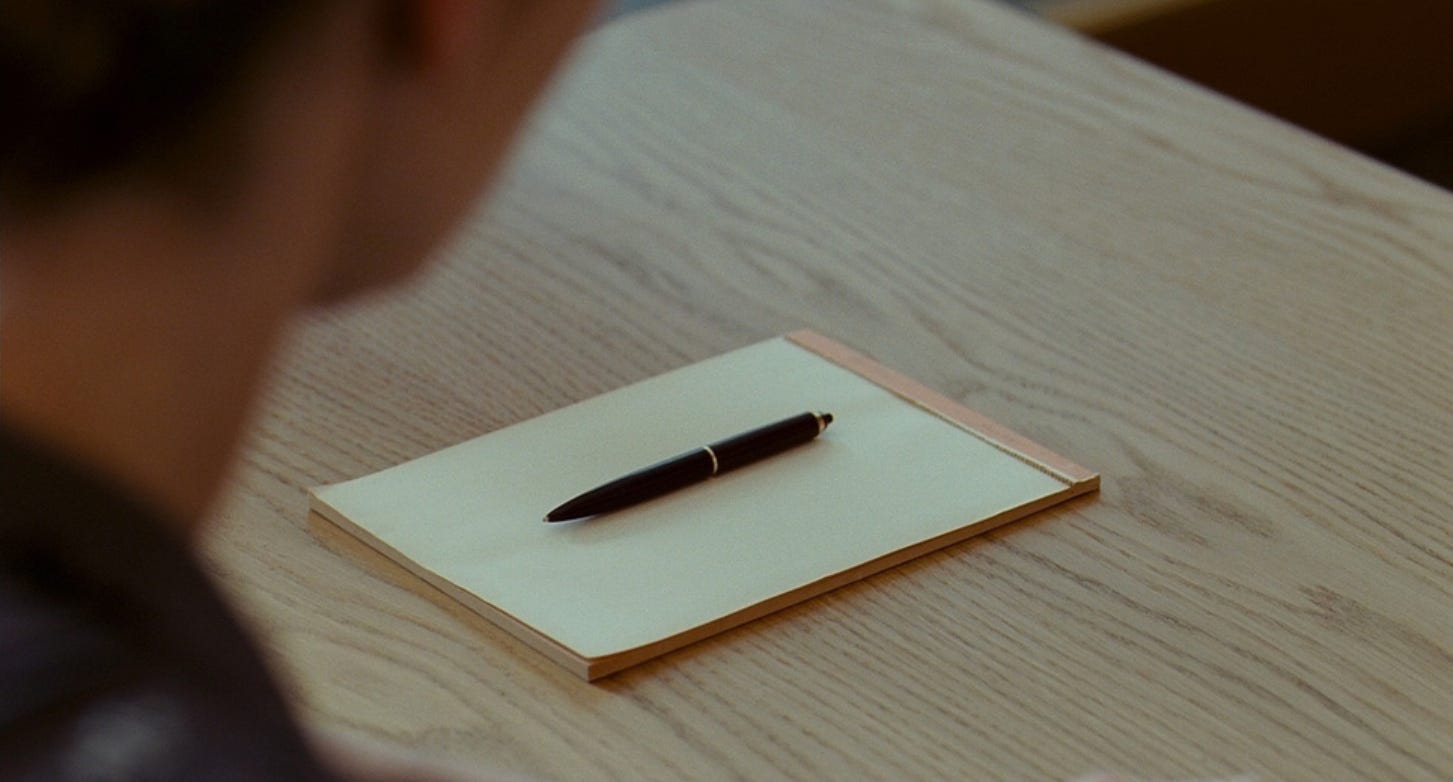
Since he can remember, people have told him how close they feel to him. They’d easily call him a friend, claim “a connection,” “something special.” He understood where this was coming from, of course. Aslan once spoke emotions so fluently that almost everyone felt welcomed and appreciated around him. Then there was his art—he channeled his passions and struggles into intimate paintings, and suddenly whole crowds of complete strangers swore they knew him on this uniquely personal level. What they saw on his canvas was relatable to their deepest fears and unaddressed desires. He portrayed love, pain, the kind of imperfect honesty that would shame most Insta selfies (bikini pics included).
There’s a big difference between choosing which truths to share and actually letting someone see inside your soul. Aslan spills thoughts that once lived in him but have long since become souvenirs—valuable, yes, but no longer breathing in his chest.
True intimacy isn’t the intrusion of mixing these thoughts with another person’s own experiences and calling it a bond. It’s the moment they want to understand more, dig deeper, when they say, “May I come in?” and you crack that door wider—wide enough for them to step through.
So despite the crowd’s disagreement, he’s always claimed the introvert title. Until life events turned him into a proper recluse.
Still, to this day, when getting to know someone new, he always tries to start fair. He leaves the door ajar and observes what will happen.
If no one asks to come in, that’s it. If no one pushes the door open with honest curiosity, that’s it for him.
He doesn’t care about being fair anymore. Knowing all about second chances and the illusion of first impressions—he has every right to guard his soul, and he doesn’t mind if they have the most genuine intentions but missed the moment.
Life is about not missing the important moments.
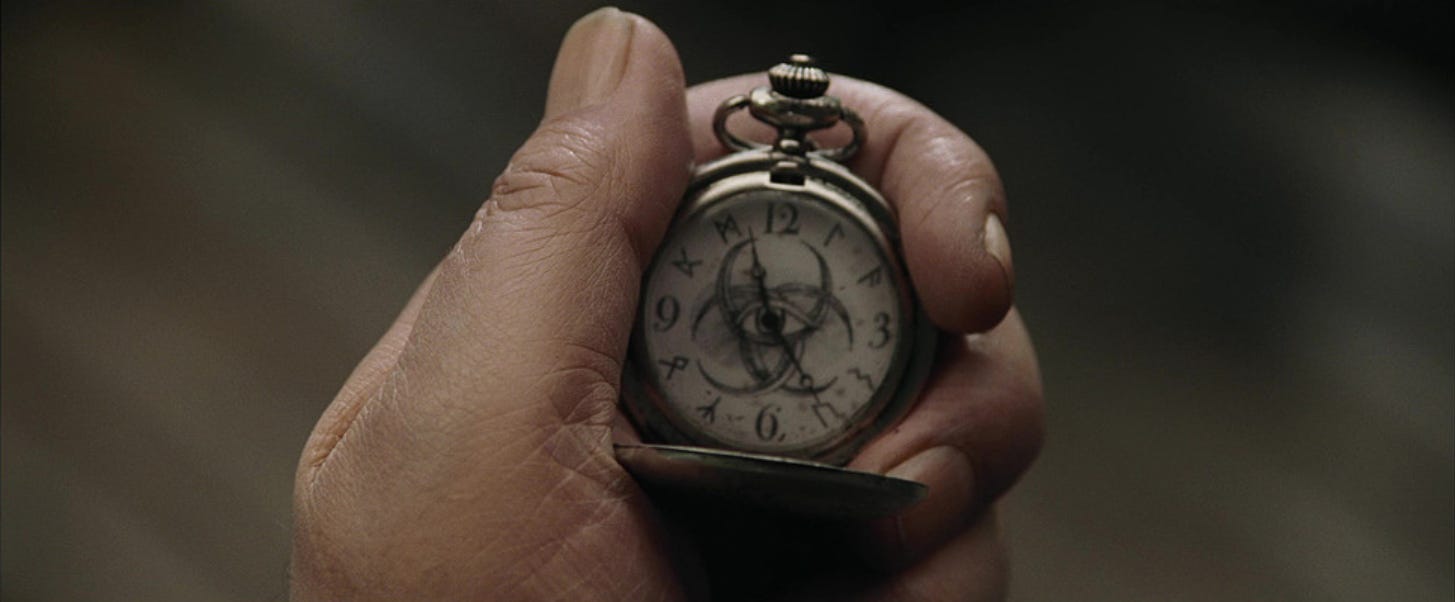
He never slams the door in anyone’s face. He doesn’t get mad. He doesn’t take offense. He doesn’t dwell on it. No. Aslan leaves his heart entirely and closes the door behind him. From now on he always greets that person in the corridor. From there, he can still visit their world: spend time with them, help them through stuff, listen. He always listens and is there for people (if he doesn’t mess up, he’s only human, after all). Every ounce of effort he shows is real. Everything they receive from him is authentic. But he never takes anything back. So it isn’t love. It isn’t friendship. It isn’t “something special.”
It is just him in the corridor—his door closed behind him, their world ahead.
They may get curious eventually. They may say they want to look inside again… no. And it’s not because he’s a jerk. It’s because they don’t want him. Not really. They just want more of what makes them feel welcomed—more of what he’s already given them: the feeling of acceptance and understanding. Not him.
They stay, grateful for the welcome, not the host.
As Aslan’s thoughts wander, Kovu takes his last generous sip and returns to preparing the café for tomorrow’s morning crowd: the half‑asleep casual step‑ins, the grumpy regulars, anyone who needs a cup of clarity.
A soft buzz interrupts the quiet. Aslan’s phone lights up: Tina calling. He watches it ring through the steam on the counter—and lets it go to voicemail.
He started fair.